Making Things Click.

A portfolio of digital experiences that transform how we play, explore, and understand.

2011–2026

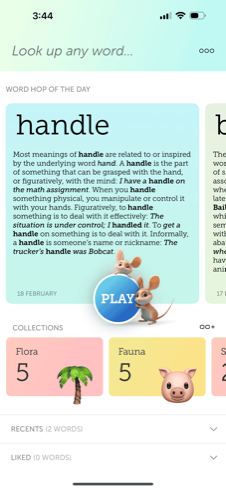
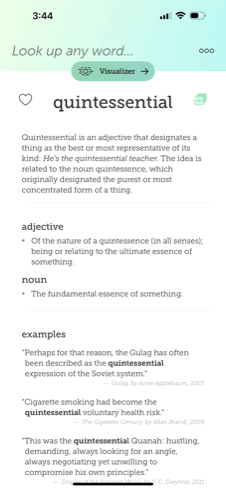
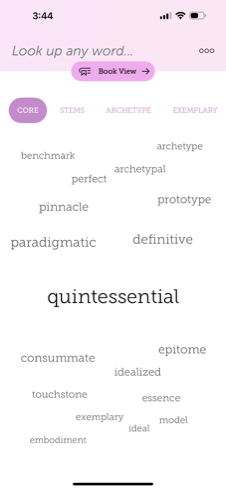
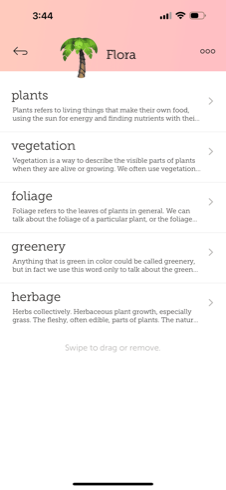
Linguabase

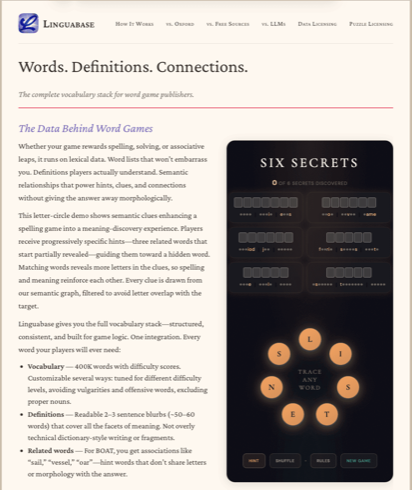
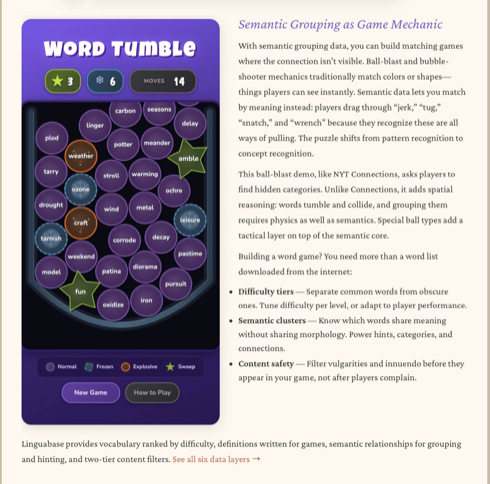
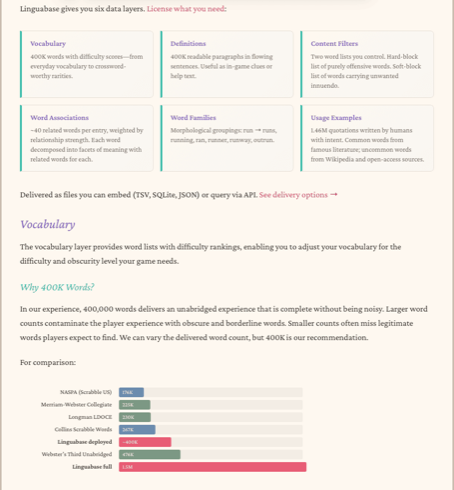
Linguabase is a semantic graph that maps how English words relate across all their meanings — not just synonyms, but association, etymology, categorization, and sense. 400,000 deployed terms drawn from an internal corpus of 1.8 million, connected by 63 million weighted, sense-disambiguated relationships. Built over fifteen years from 70+ lexical sources, professional lexicography, classical NLP, and 130 million LLM inferences. Now operated as a word game data studio supplying puzzle content to studios in the word-association space.
In Other Words

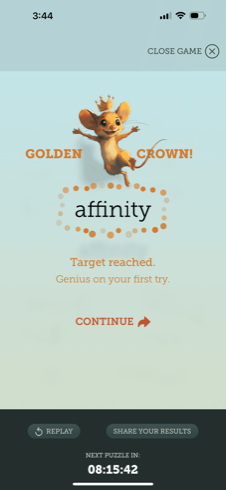
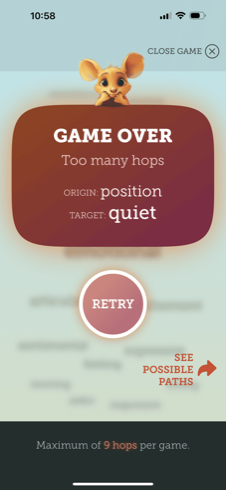
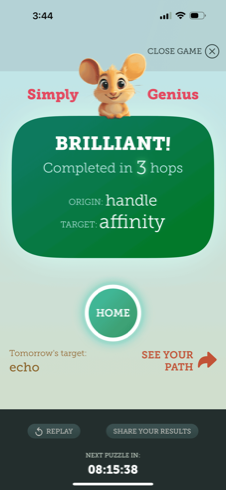
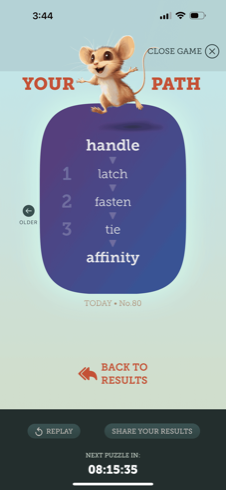
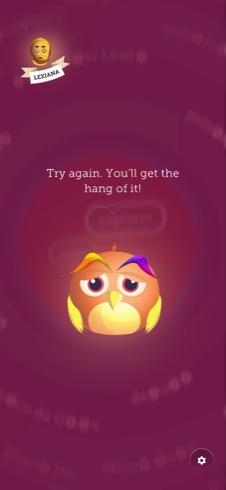
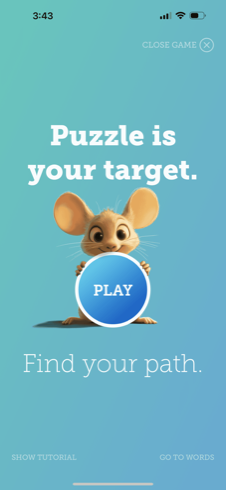
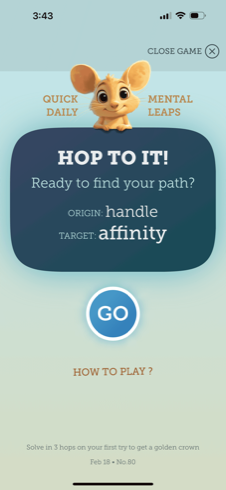
In Other Words is a daily word game where players chart paths between seemingly unrelated words through chains of meaning, not spelling. Each puzzle has multiple elegant three-step solutions, and players must reach their target within seven steps. Powered by Linguabase.

OtherWordly

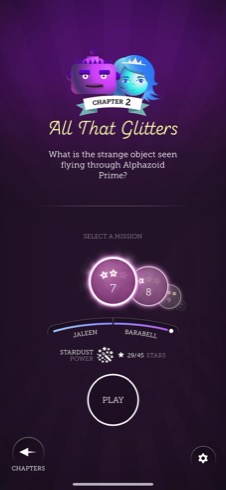
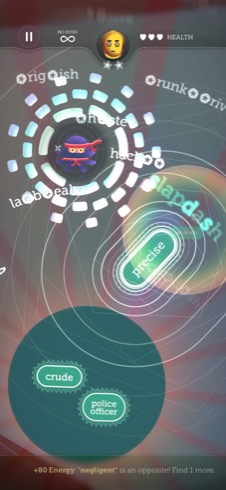
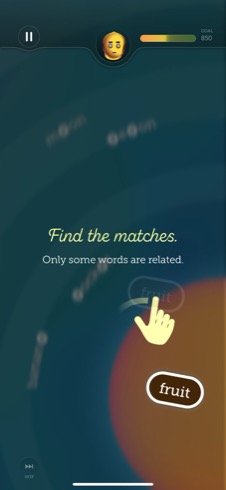
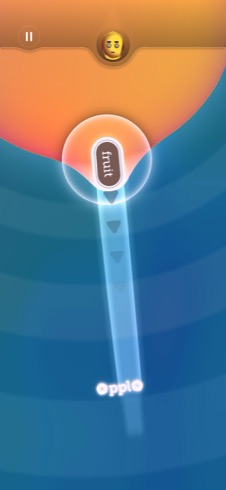
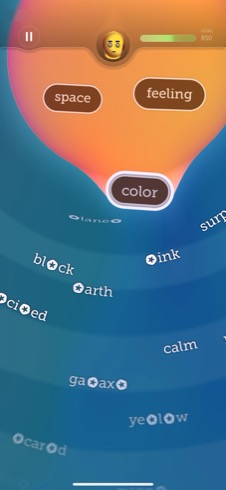
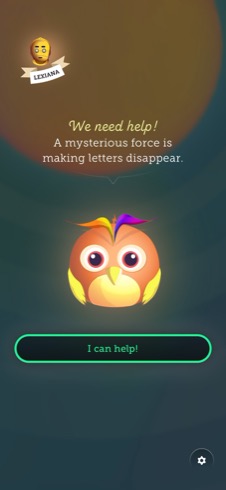
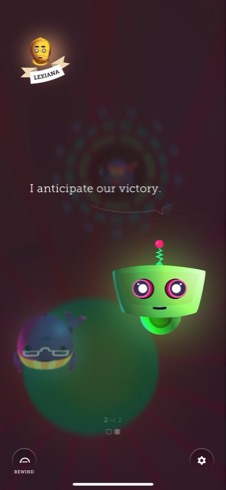
OtherWordly is a space-adventure word game where players launch words through a cosmic obstacle course to match partially hidden targets. Its blend of physics puzzles and cultural content — from Picasso to penguins — earned recognition from IndiePrize, TIGA, and Serious Play. Being retooled for commercial launch.

2006–2012

SpicyNodes

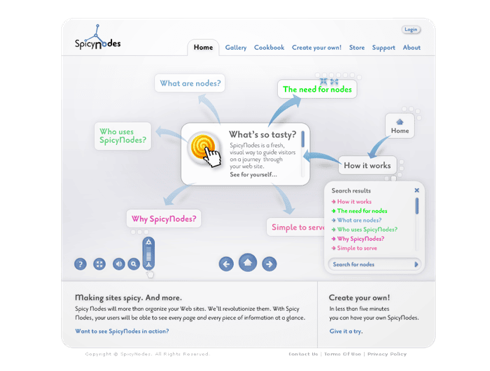
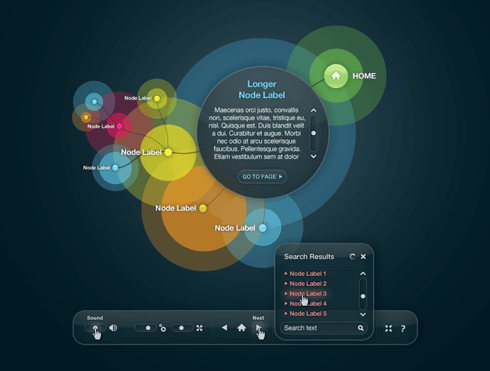
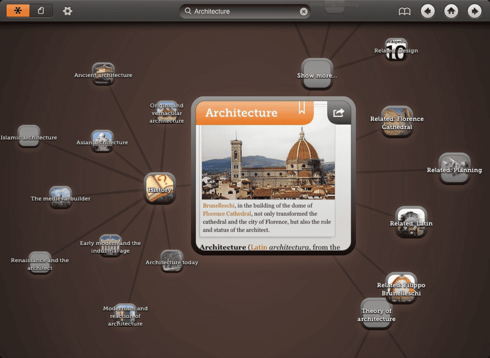
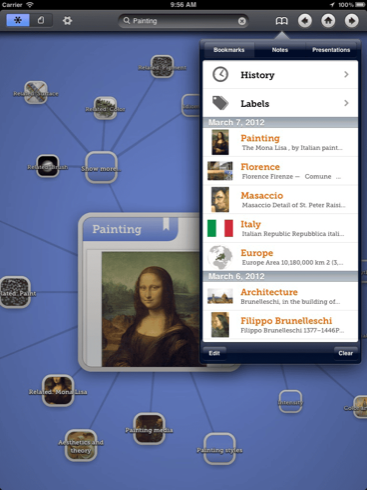
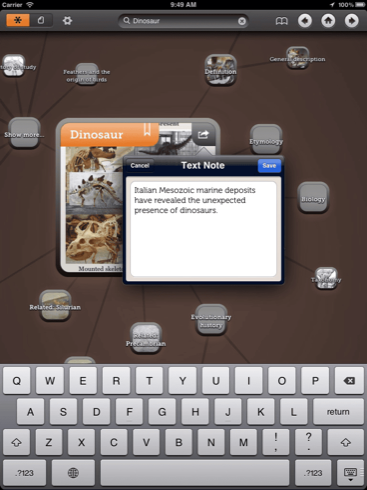
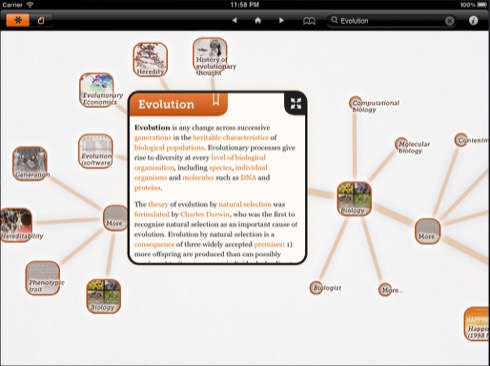
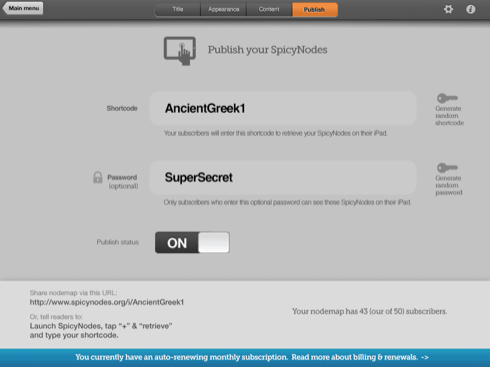
SpicyNodes made complex hierarchies accessible through organic, radial visualization. Users could pivot and expand nodes naturally, making information structures clear and explorable. Reached 315,000 creators and 40 million users. Evolved into WikiNodes, an Apple-featured iPad app for exploring Wikipedia. Published in IEEE Transactions on Visualization and Computer Graphics. The concept-visualizer that led into the idea-linking games.

1998–2001

Time.gov

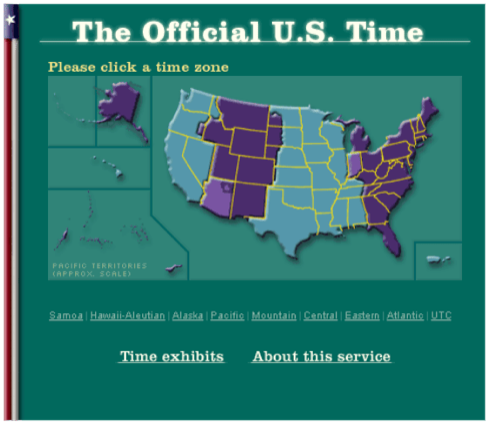
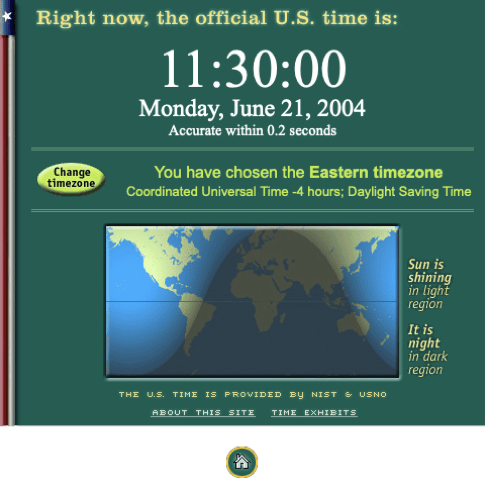
While at NIST, I took obscure Windows 95 software buried deep in the lab and turned it into Time.gov — a public-friendly government service and the first single-purpose .gov site. Convinced rival lab chiefs at NIST and Naval Observatory to cooperate. Made atomic clock precision as simple as clicking your location on a map. Quickly became NIST’s most visited property.

1999–2006

WebExhibits

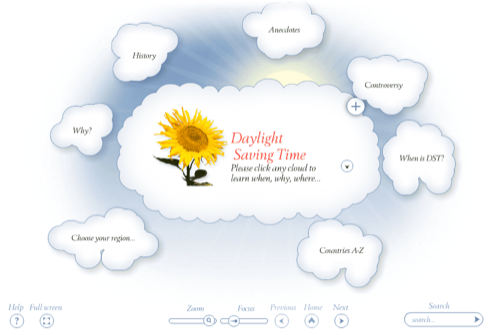
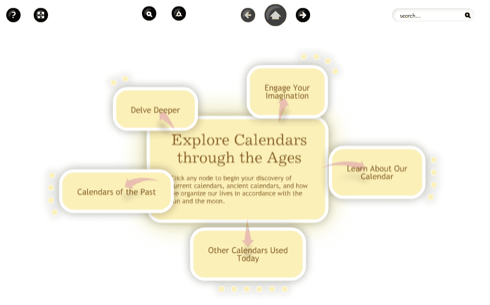
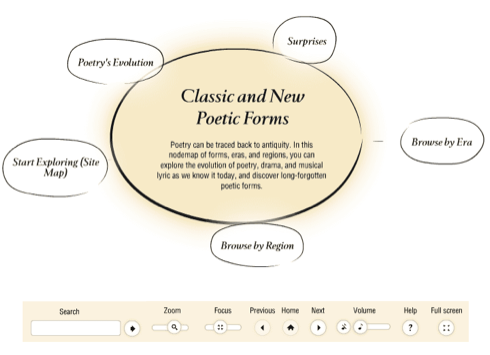
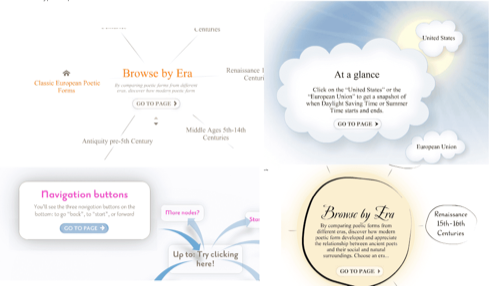
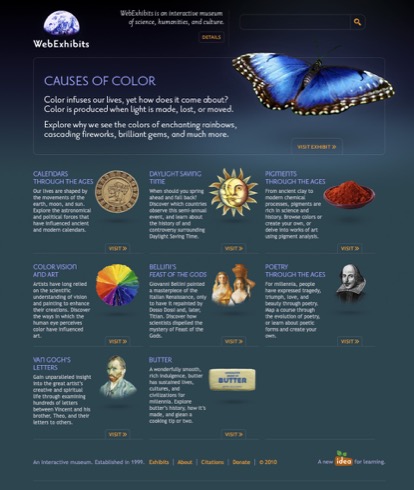
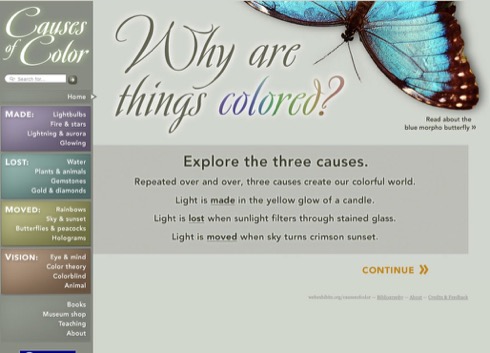
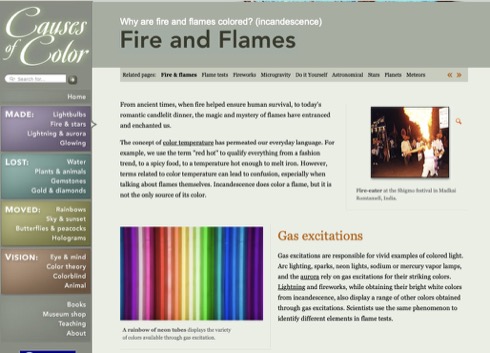
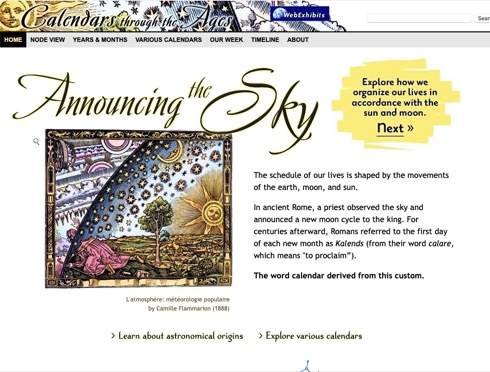
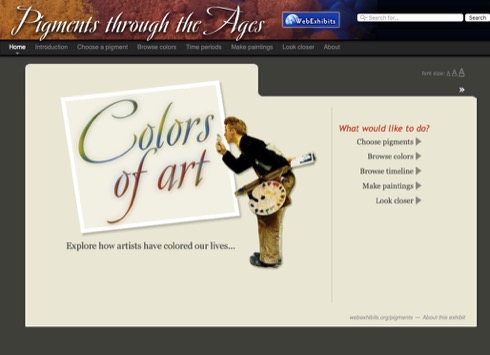
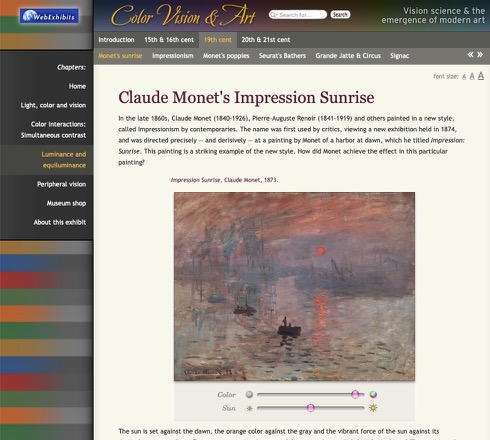
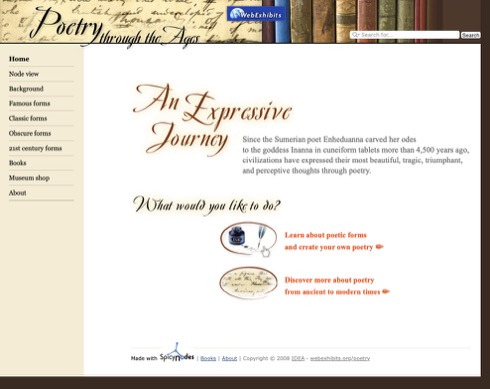
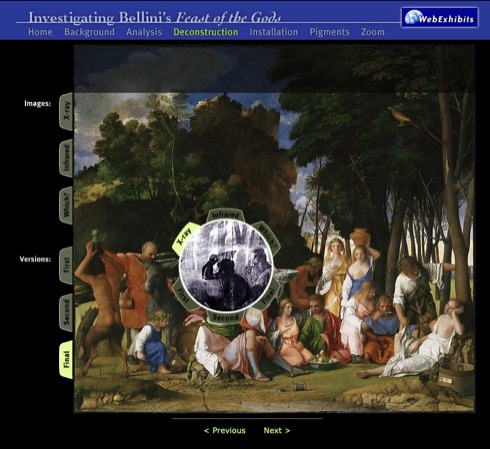
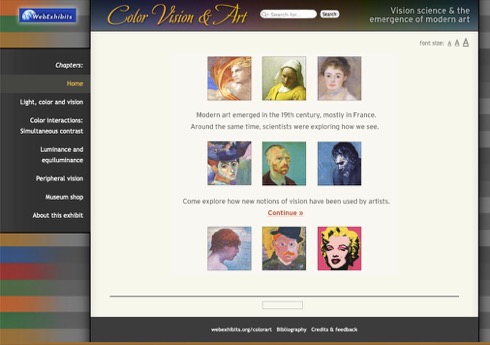
WebExhibits was a new kind of virtual museum. Visitors could explore the science of color, decode ancient calendars, examine paintings through X-ray and infrared scans, or craft classical poetry using interactive guides. Built up over the years with funding from the National Science Foundation and National Endowment for the Humanities. Drew tens of millions of visitors.

2002-2005

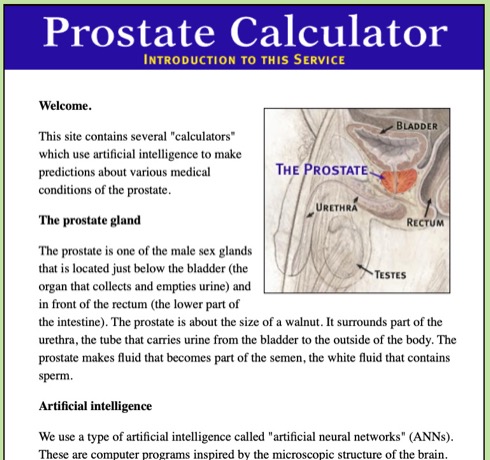
Making Medical AI Human

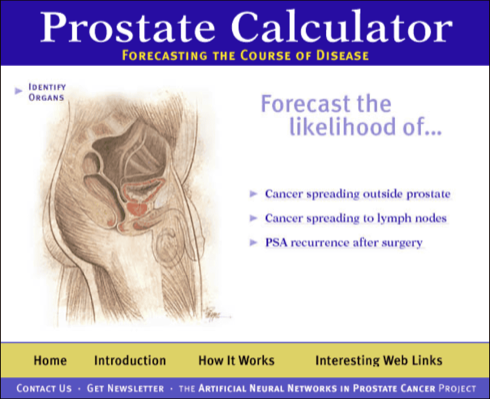
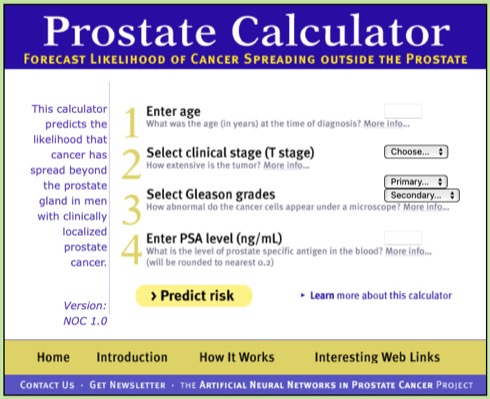
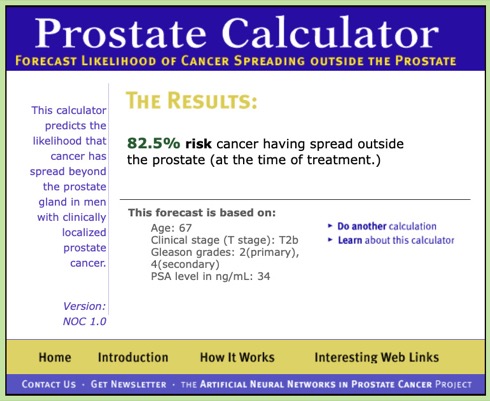
ProstateCalculator turned an academic research tool — previously shared as downloadable software between specialists — into one of the first medical AI interfaces designed for everyone. A neural network trained on over 10,000 clinical cases that helped 1.5 million patients understand their cancer risk. Built in 2001, years before “AI in healthcare” was a phrase anyone used.

2003-2007

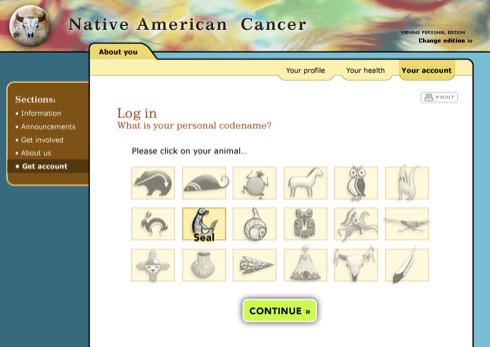
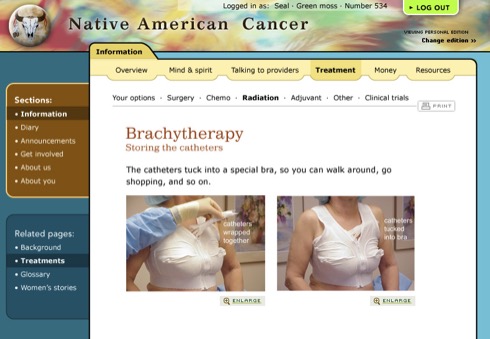
Native Voices in Healthcare

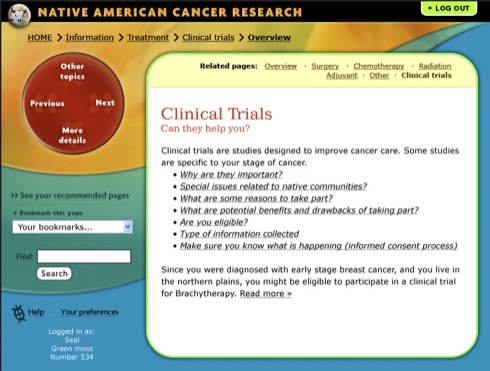
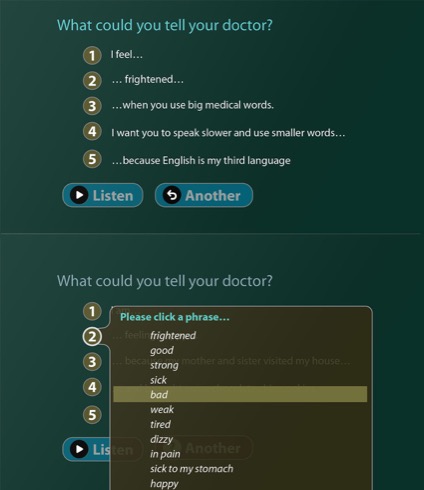
Collaborated with Native American cancer educators to help women navigate healthcare barriers. Working with Native elders, developed a storytelling-centered website using tree and leaf navigation, transforming VHS tapes and pamphlets into interactive multimedia learning content. Directed local theater actors in role-play scenarios and created an “I-message” audio sequencer where women could practice advocating for themselves with doctors.

2011-2013

Color in Three Dimensions

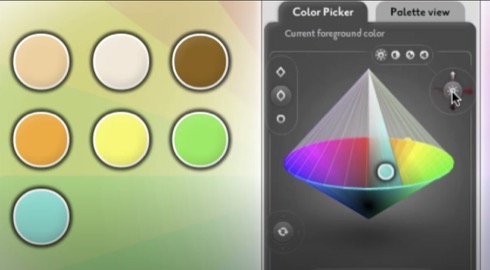
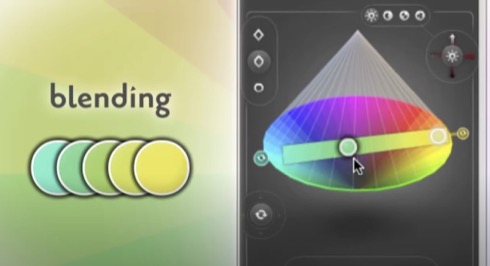
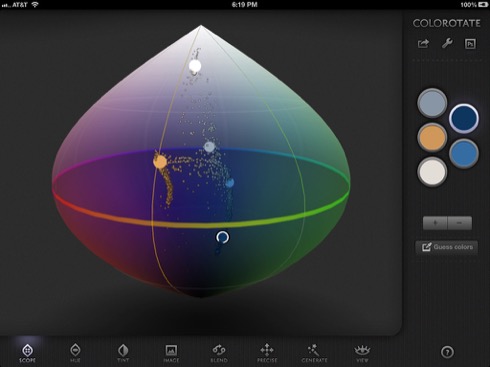
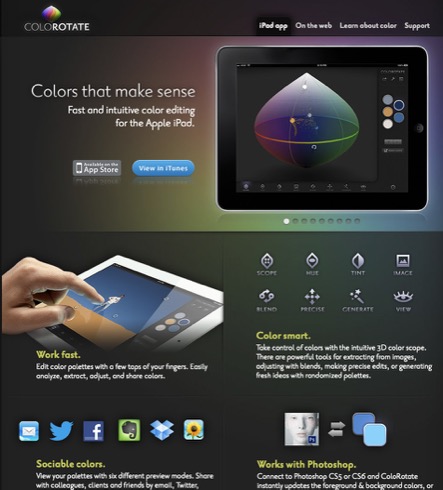
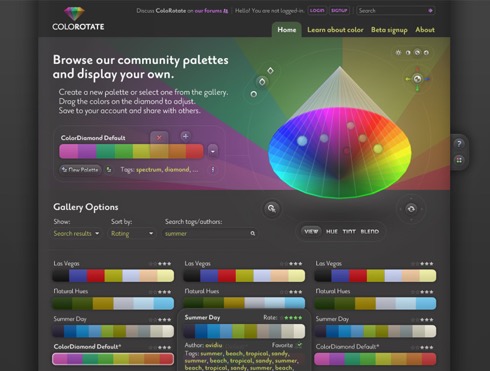
ColoRotate reinvented color selection by letting designers work in 3D space. Available as both an iPad app and Photoshop plugin. Designers could manipulate palettes with natural gestures, visualize relationships spatially, and preview colorblind perspectives.
2011

Instant Pop Art

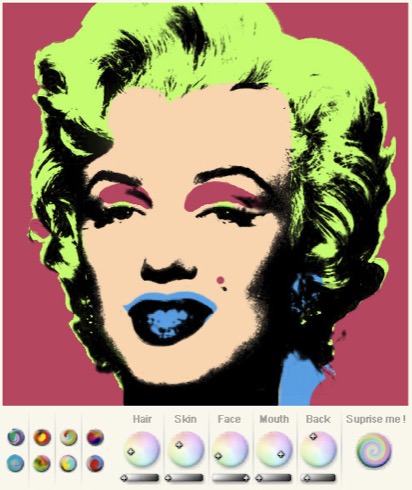
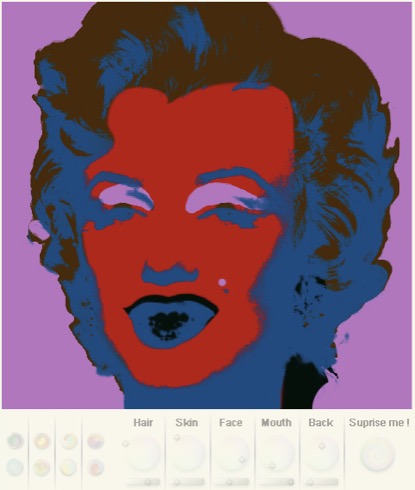
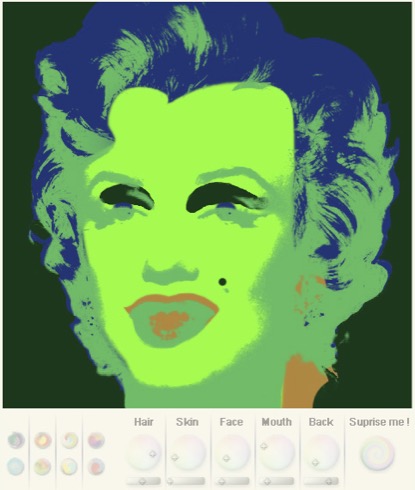
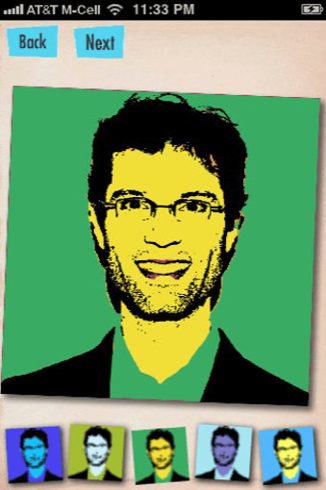
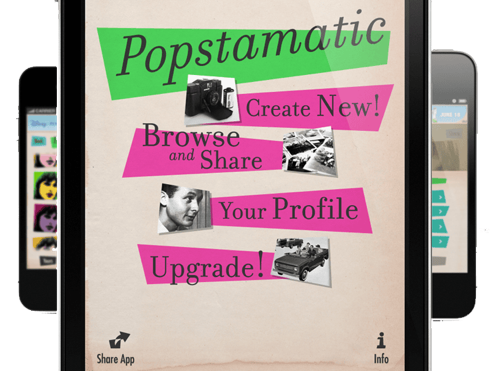
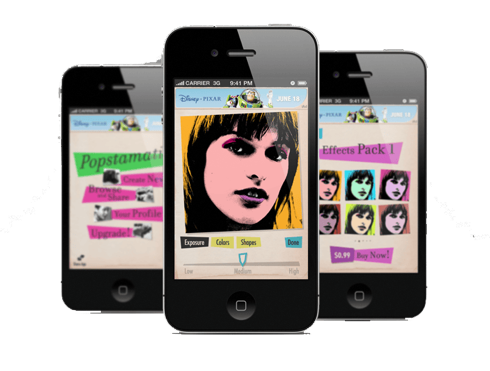
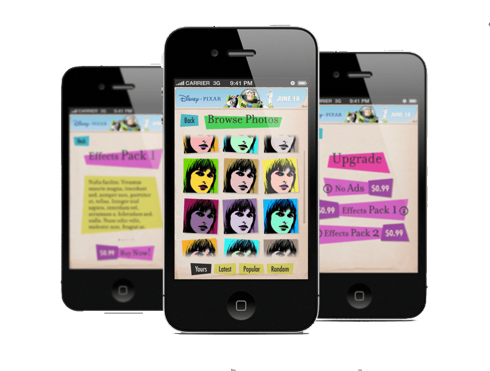
Popstamatic turned smartphone photos into Warhol-style Pop Art with a single tap. Pioneered instant artistic filters years before they became common.

Client Projects

2014

The past, perfectly present

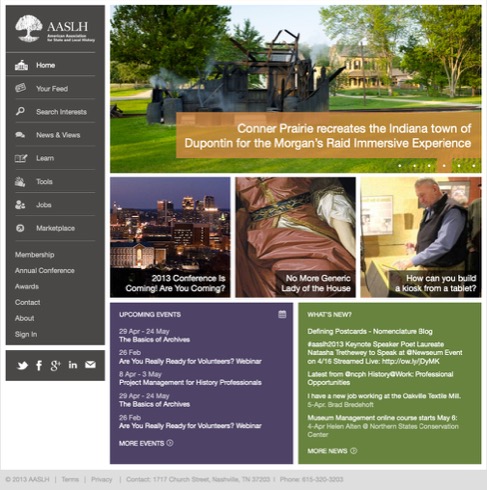
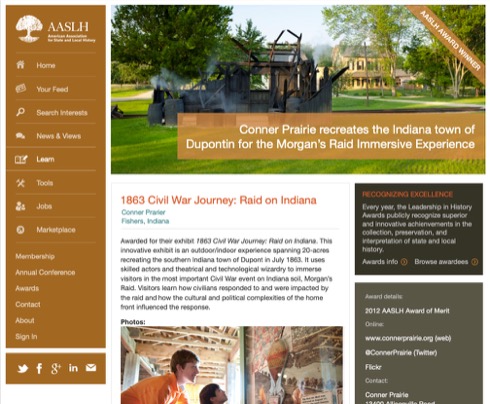
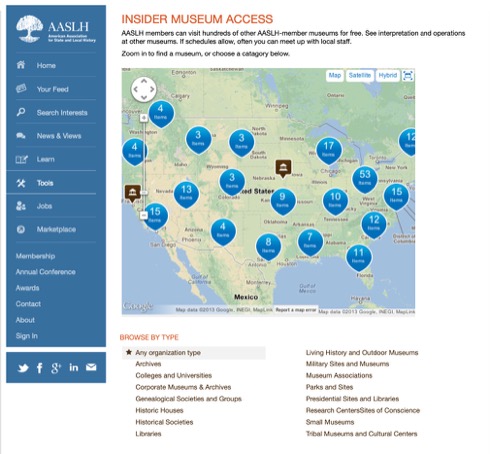
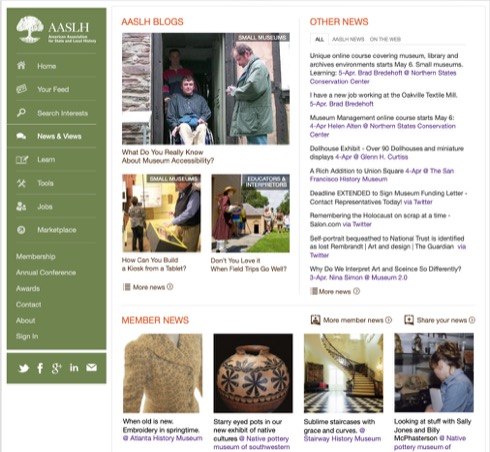
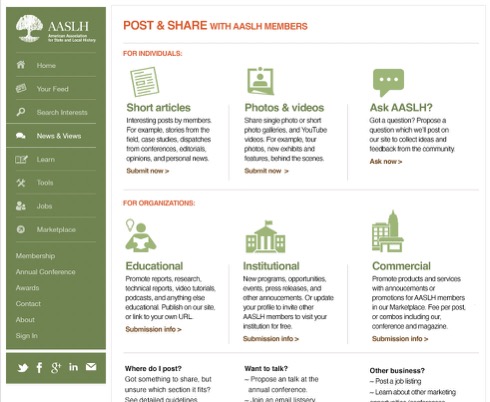
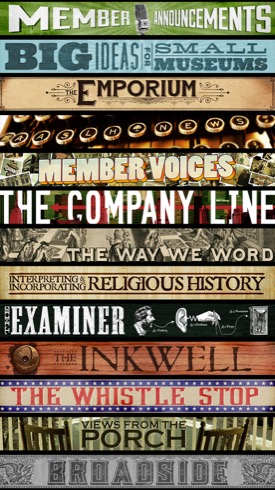
Home for History transformed AASLH into a digital community hub where history professionals share practical resources through focused blogs and educational content.

See occasional papers and conference contributions.